Wondering what day-to-day life feels like for a family in Parkland? You might have heard it’s quiet, green, and oriented around kids’ schedules. That impression aligns with what many families experience here. In this guide, you’ll get a clear look at homes, schools, parks, commutes, and practical tradeoffs so you can decide if Parkland fits your routine. Let’s dive in.
Parkland at a glance
Parkland sits in northwest Broward County, part of the Fort Lauderdale–Pompano Beach–Deerfield Beach metro. It’s a low-density, primarily residential city known for open space, larger lots, and a slower pace. Most households are families with children and professionals who commute to nearby employment hubs.
You’ll find strong civic engagement, youth sports, and neighborhood HOAs shaping community life. Equestrian-friendly areas and trails add a unique touch to certain pockets. Daily errands are simple, but you’ll drive for many activities.
Housing and neighborhoods
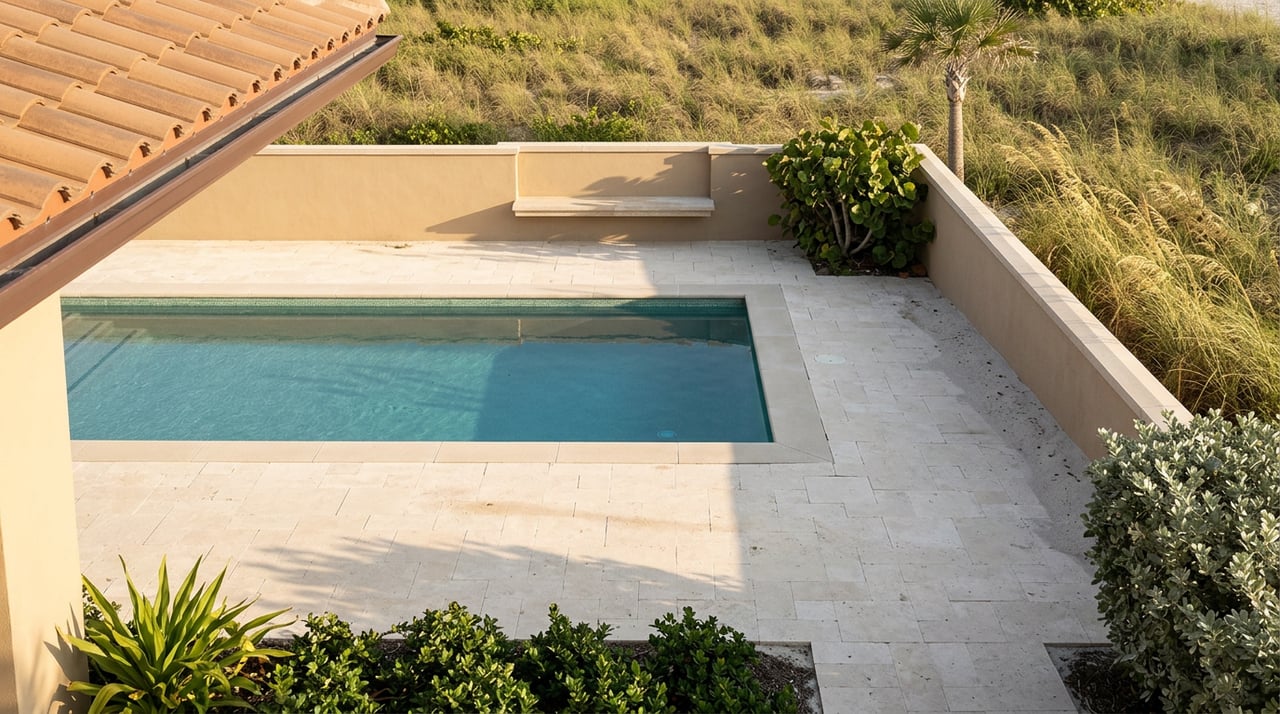
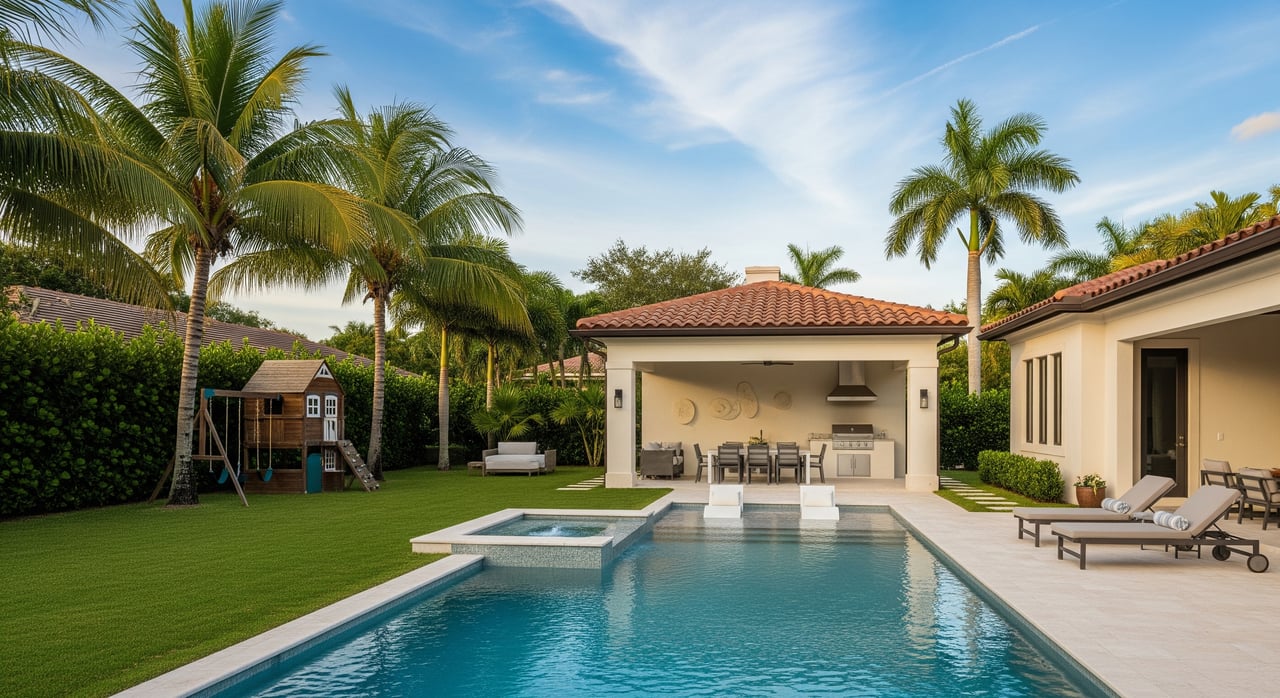
Detached single-family homes dominate Parkland. Architectural styles range from contemporary to Mediterranean and ranch, with many homes offering private pools and generous backyards. Townhomes and condos exist but are a smaller share of the market compared with nearby cities.
Neighborhoods include older subdivisions with larger lots and newer master-planned communities with clubhouses, pools, and staffed gates. HOAs are common and can influence your lifestyle and costs.
Here’s a quick family-focused checklist:
- Confirm school assignment boundaries for your address.
- Review HOA rules on fencing, play structures, and parking.
- Assess lot size, yard usability, and pool safety needs.
- Check flood zones, elevation, and insurance costs.
- Compare commute times during peak hours from your precise location.
Schools and childcare
Parkland is served by Broward County Public Schools, with several public, charter, and private options in and around the city. Many families consider school performance reports, extracurricular offerings, and boundary maps as key inputs when choosing a neighborhood.
Childcare options include daycare centers, preschools, and private early-learning programs. Capacity and waitlists can vary by provider, so it helps to plan ahead and tour early. After-school enrichment is available through local parks programs and private centers.
Parks and youth sports
Parks and recreation are central to life here. You’ll find multi-use complexes with athletic fields, playgrounds, and picnic areas, along with neighborhood greens and walking paths. Sidewalks and bike lanes are more common in newer developments, though walkability varies across the city.
Families enjoy a wide mix of activities:
- Youth leagues for soccer, baseball, and more
- Swim teams and lessons
- Dance, martial arts, and arts programs
- Summer camps through parks and private providers
Weekends often revolve around games, practices, and community events like farmers markets and seasonal festivals.
Commute and getting around
Parkland is car-dependent. Many residents use the Sawgrass Expressway for regional travel, with I-95 and Florida’s Turnpike connecting to broader South Florida. Commute windows depend on traffic and your destination.
Typical drive times include:
- Central Fort Lauderdale: about 25–45 minutes
- Fort Lauderdale-Hollywood International Airport: about 25–40 minutes
- Miami and Miami International Airport: about 45–75 minutes
- Central Palm Beach County: about 30–60+ minutes
Public transit exists in the region, but most families find driving more practical for daily routines.
Safety and healthcare
Parkland is generally perceived as a relatively safe suburban environment compared with denser urban areas. Law enforcement services are provided through the Broward County Sheriff’s Office. For a clear picture of trends, review official crime maps and reports.
You’ll find pediatricians, urgent care, and primary care clinics in and near Parkland, with hospitals and specialty centers within a reasonable drive in Fort Lauderdale and Boca Raton. Many families choose neighborhoods based on proximity to schools and medical providers.
Shopping, dining, and beaches
Daily needs like groceries, pharmacies, and casual dining are within or near Parkland. For bigger retail, entertainment, and specialty shopping, residents often head to Coral Springs, Coconut Creek, or central Fort Lauderdale. Beaches in Fort Lauderdale, Pompano Beach, and Deerfield Beach are a typical 25–45 minute drive, which makes weekend beach trips easy to plan.
Pros and cons for families
Here is a balanced view to help you weigh the fit:
Pros
- Suburban feel with ample green space and parks
- Larger lot sizes and low-density neighborhoods
- Strong community involvement and youth programming
- Range of public, private, and charter school options
Cons
- Higher housing costs than many Broward areas
- Car dependence and variable commute times
- Fewer high-density retail and entertainment options within city limits
- HOA fees and covenants in many neighborhoods
What daily life feels like
A typical weekday starts with school drop-off and a commute on the Sawgrass Expressway or local arterials. Afternoons bring carpools to practices, homework, and neighborhood playtime in the yard or at a nearby park. Weekends are often filled with tournaments, community events, and beach or pool time.
The tradeoff many families accept is more space, privacy, and quieter streets in exchange for longer drives to certain services and entertainment. If that balance fits your priorities, Parkland can feel like an easy routine.
How we help your Parkland move
If Parkland looks like a fit, your next step is getting a clear plan for timing, financing, and neighborhood selection. The Gobin Group pairs deep local knowledge with practical tools so you can move with confidence.
- Financing clarity: Founder Denise Gobin’s mortgage background helps you structure a clean offer and navigate contingencies with fewer surprises.
- Listing advantage: With Compass Concierge, you can front the cost of strategic updates to maximize your home’s presentation and net proceeds when selling.
- Neighborhood-first: Since 1999, our team has lived and worked in the communities we serve. We help you evaluate school boundaries, HOAs, flood zones, and commute tradeoffs street by street.
Ready to map out your move? Reach out to The Gobin Group for a local, high-touch strategy that fits your family’s goals.
FAQs
What makes Parkland family-friendly?
- Low-density neighborhoods, plentiful parks, youth sports, and a community calendar that supports family routines define day-to-day life.
How long are Parkland commutes to major hubs?
- Plan about 25–45 minutes to central Fort Lauderdale and 45–75 minutes to Miami, depending on traffic and your exact starting point.
What housing types are most common in Parkland?
- Detached single-family homes dominate, including newer master-planned communities and established subdivisions with larger lots.
How should I assess schools when choosing a neighborhood?
- Review Broward County Public Schools boundaries and performance reports, and consider extracurriculars, commute patterns, and childcare proximity.
Are HOAs common, and what should I check?
- Yes, many neighborhoods have HOAs. Review rules on fencing, parking, exterior changes, play equipment, and any rental restrictions.
What are typical weekend activities for kids in Parkland?
- Youth sports games, park time, seasonal events, and quick drives to beaches or nearby entertainment centers are common family routines.