Looking for a home that fits your lifestyle and your values? In Coconut Creek, you can enjoy a nature-forward community, practical green features, and a range of home styles that make sustainable living feel simple. Whether you plan to downsize into a maintenance-light condo or want a single-family home you can personalize with solar and EV charging, this guide shows you what to expect and how to shop smart. Let’s dive in.
Why Coconut Creek fits eco living
Coconut Creek takes sustainability seriously. The city’s Vision 2030 plan focuses on resilience, open-space preservation, solid-waste reduction, and energy efficiency in development. You can see those goals in action through visible green elements like EV charging and solar in public projects. Learn more about these commitments in the city’s Resilience and Resource Stewardship goals.
Nature is a daily part of life here. The county’s Tradewinds Park & Stables offers trails, equestrian and farm programs, and wide-open green space. Nearby, Butterfly World anchors Coconut Creek’s “butterfly capital” identity with immersive gardens and educational programs for all ages.
The city also makes its progress visible. Coconut Creek maintains a public Solar Energy Dashboard that highlights municipal solar production. These touches signal a city that embraces green tech, not one that hides it.
Lifestyle: quiet, connected, convenient
Coconut Creek balances calm neighborhoods with easy access to daily needs. You will find a mix of parks, greenways, and well-kept residential areas, plus a modern retail and entertainment hub at the Promenade. It is a good fit if you want less driving and more time outdoors without giving up dining, shopping, and everyday services.
Home styles you will find
Coconut Creek offers homes for many stages of life. If you are eco-minded or planning to downsize, here is how the main property types line up with green priorities.
55+ and active-adult condos
Large, amenity-rich communities like Wynmoor Village are popular with downsizers who want low maintenance and social programming. These neighborhoods centralize amenities such as pools, shuttles, and common-area recycling. For many, this setup reduces yard care, cuts private landscaping costs, and supports a lower-car lifestyle.
Condos and townhomes
Across Coconut Creek, you will find condo and townhome communities built from the 1970s through the 2000s. Most are governed by HOAs that manage shared systems such as landscaping, pools, and building exteriors. This can streamline maintenance and create predictable monthly costs, though you will want to review what utilities or services the fees cover.
Single-family homes
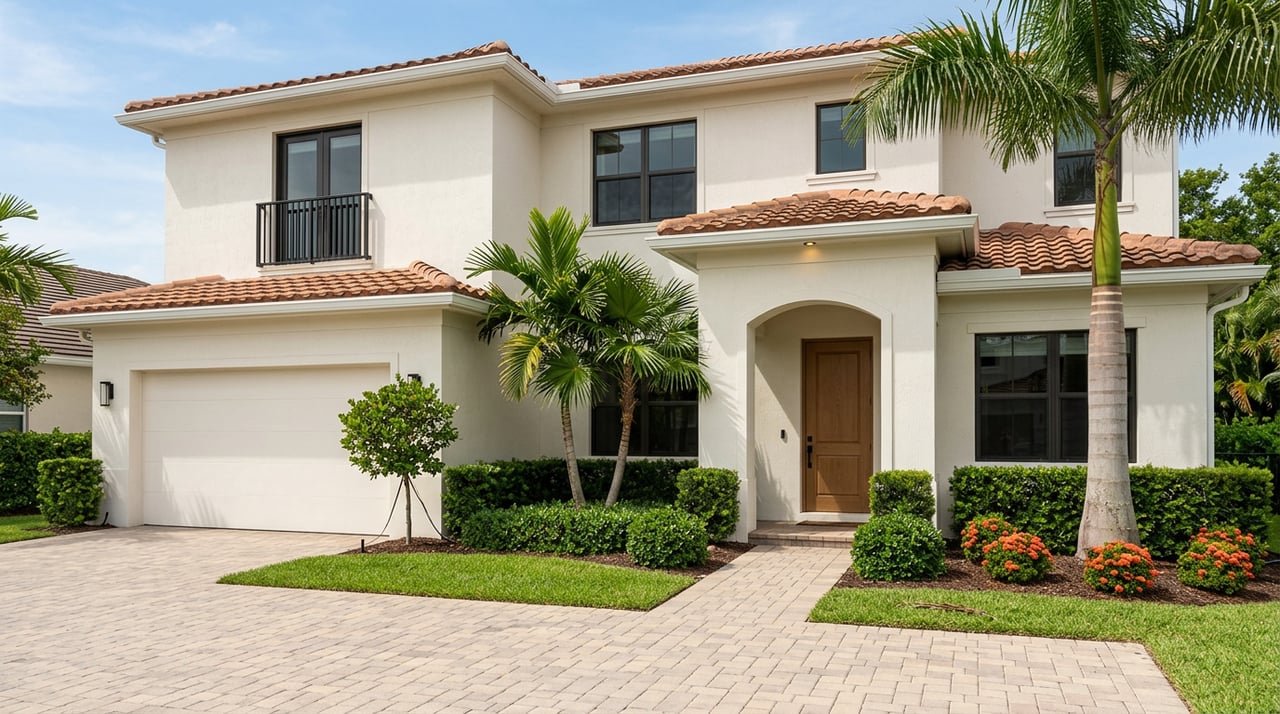
If you prefer a private yard and more control over upgrades, single-family homes offer flexibility. You can select roofing, insulation, smart thermostats, impact windows, solar, and even dedicated EV charging if permitted. HOA rules vary, so it is smart to confirm what is allowed before you plan a retrofit.
Newer mixed-use and infill
Some newer projects near the city’s activity centers include sustainability elements as part of their approvals. You may see EV chargers, high-albedo paving, and dedicated recycling. These homes often appeal if you want a walkable lifestyle with a smaller footprint.
Energy-saving features to prioritize
You do not need a technical background to spot features that make a real difference in South Florida.
Cooling and smart thermostats
Cooling is often your largest energy cost. Look for newer, higher-SEER central A/C systems and a smart thermostat. Florida Power & Light recommends smart controls and offers guidance on efficient cooling choices. Review their energy-saving tips before you buy.
Roofing and attic insulation
Light-colored, reflective roofing and well-sealed, insulated attics help keep your home cooler. ENERGY STAR’s plain-English guidance explains how attic sealing and insulation reduce cooling loads. See their attic air-sealing overview for what to look for.
Windows, shade, and landscaping
Impact or insulated windows, exterior shading, and native landscaping all support comfort and efficiency. Native or drought-adapted plants can reduce irrigation needs and help local habitat. These ideas align with the city’s resource stewardship goals.
Solar and batteries
Rooftop solar and battery storage are present in the market here. If you are concerned about HOA rules, Florida law protects your right to install solar on residential buildings, though associations can set reasonable placement standards that do not impair performance. Review Florida Statute §163.04 for details on renewable energy devices.
EV readiness
Some properties already include a 240-volt circuit or a Level 2 charger in the garage. City projects also showcase green tech, and public dashboards highlight solar adoption. Explore the city’s Solar Energy Dashboard to see a local snapshot of progress and priorities.
A simple, buyer-friendly checklist
Use this non-technical checklist when you tour homes or request documents.
Ask for these documents
- Recent 12-month utility bills to estimate typical energy use. If available, a Home Energy Score or HERS report is a plus. Learn about the Home Energy Score.
- Roof age and any roofing or system upgrades completed in the last 10 years.
- HVAC age, service history, and efficiency ratings. Newer systems usually cool more efficiently. See FPL’s A/C guidance for context.
- Water heater type and irrigation schedule, which both affect monthly bills.
- HOA or condo documents, including CC&Rs, architectural guidelines, minutes, reserve studies, and rules for solar and EV chargers. Remember, Florida Statute §163.04 protects your right to install solar with reasonable placement rules.
Quick visual checks at showings
- Look for rooftop solar, visible batteries, or conduit to gauge upgrade potential.
- Check for a smart thermostat and LED lighting.
- Peek at the electrical panel for spare breakers or a 200-amp rating if you plan to add a charger or future solar.
Questions for an HOA or management company
- Are individual EV chargers allowed, and what is the approval process?
- Are solar panels or other renewables permitted, and what are the placement guidelines?
- What is covered by the monthly fee, such as exterior maintenance, irrigation, water, bulk internet, or common-area power?
Consider a basic energy assessment
If efficiency matters in your decision, a Home Energy Score or audit provides a clear 1 to 10 rating with prioritized recommendations. Learn how it works through the U.S. Department of Energy.
Downsizing with intention
If you want a maintenance-light lifestyle, a 55+ community can be a smart path. A well-known example is Wynmoor Village, a gated, amenity-heavy complex with resort-style features and social programming. For many buyers, these communities reduce yard work, centralize green amenities, and create predictable costs, which can make budgeting and daily life simpler.
Incentives and timing to know
Federal incentives for residential clean energy and energy-efficiency home improvements changed in 2025. The IRS guidance for Form 5695 notes that property placed in service after December 31, 2025 is not eligible for the same credits as prior years. This is time sensitive, so confirm the latest rules in the IRS Instructions for Form 5695 before you purchase or schedule an installation.
Local utilities also encourage efficiency, particularly in cooling. FPL’s resources on smart thermostats and efficient A/C can help you plan upgrades and estimate savings. Review their energy answers as you compare homes.
How we help you go green with confidence
Choosing the right home is about more than style. It is also about comfort, costs, and long-term value. With 25-plus years in Broward County and a mortgage-lending background, our team helps you weigh HOA rules, energy upgrades, inspection findings, and financing so your eco choices align with your budget and goals. If you are selling, our white-glove preparation and Compass Concierge can front select improvements that enhance presentation and help maximize net proceeds.
Ready to explore homes and neighborhoods that fit your green lifestyle? Connect with The Gobin Group to start a focused search, get a value estimate, or plan a tailored move.
FAQs
What makes Coconut Creek eco-friendly for buyers?
- The city prioritizes resilience, open space, recycling, and visible green tech in its Vision 2030 plan, and it shares progress through a public solar dashboard.
Which Coconut Creek home styles suit eco-minded downsizers?
- Large 55+ condo communities offer low maintenance and centralized amenities, while townhomes reduce yard care. Single-family homes give you more control over solar and EV upgrades.
How do HOA rules affect rooftop solar in Coconut Creek?
- Florida law protects your right to install solar on residential buildings, with associations allowed to set reasonable placement rules that do not impair performance.
What energy features should I prioritize in South Florida homes?
- Newer high-efficiency A/C, smart thermostats, impact or insulated windows, light-colored roofs, sealed and insulated attics, native landscaping, and EV-ready wiring.
Are there incentives for solar or efficiency right now?
- Federal rules changed in 2025, and the IRS notes different eligibility after December 31, 2025. Check the latest IRS guidance and consult your tax professional before you buy.
How can I compare energy costs across listings?
- Ask for 12 months of utility bills and, when available, a Home Energy Score or similar audit. Use that data to estimate savings from planned upgrades.