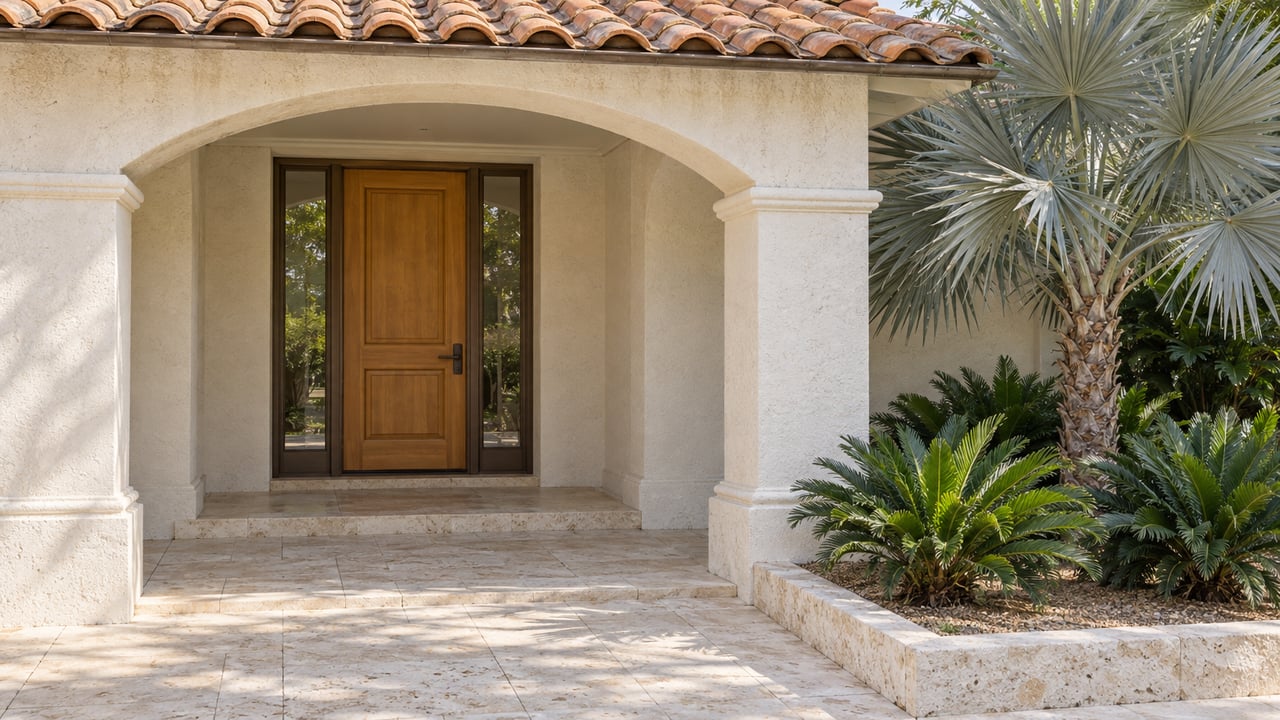
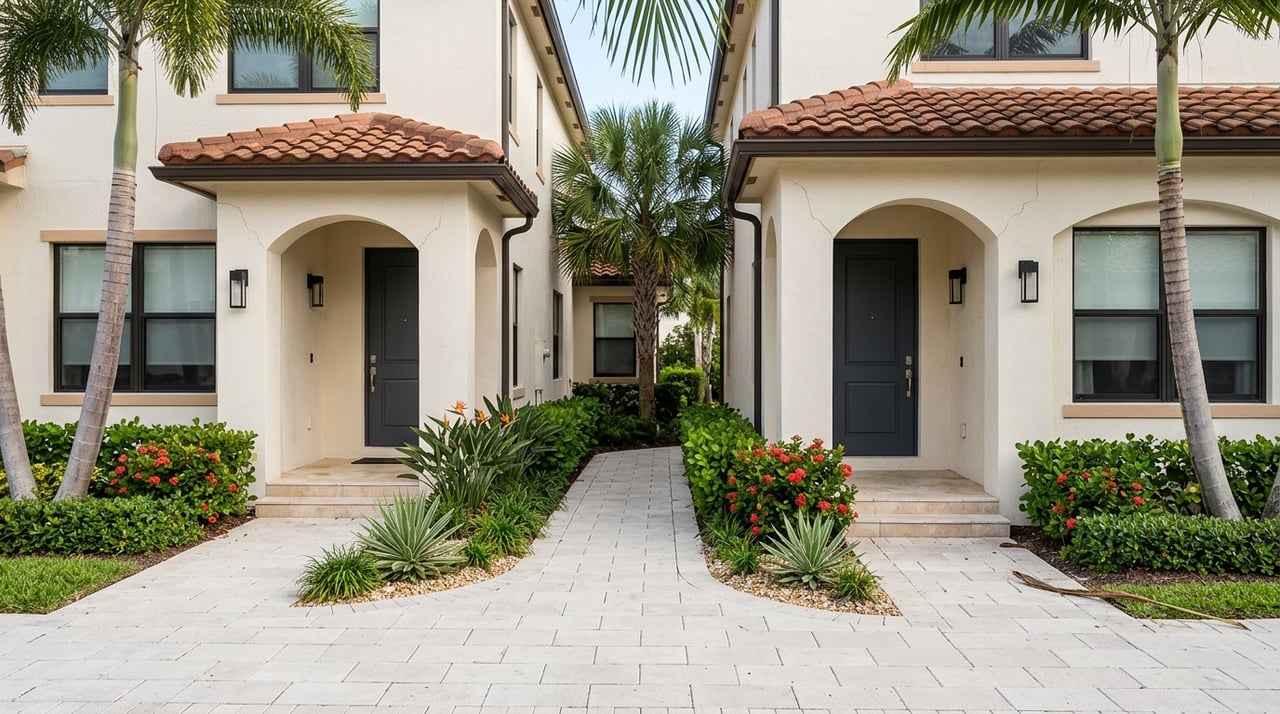
If you want a home that feels easier to maintain without giving up access to parks, paths, and everyday conveniences, condo and townhome living in Coconut Creek deserves a closer look. For many buyers, the appeal is simple: less exterior upkeep, a more lock-and-leave lifestyle, and a community setting that fits how you want to live day to day. In Coconut Creek, that lifestyle lines up well with the city’s eco-conscious planning, trail connections, and mix of neighborhood amenities. Let’s dive in.
Why Coconut Creek Fits This Lifestyle
Coconut Creek has built a strong identity around thoughtful growth, green space, and mobility. The city describes itself as eco-conscious and says it has about 58,000 residents, along with a long-term vision for walkable, mixed-use areas like Mainstreet. That matters if you want a home where convenience extends beyond your front door.
The city also highlights 18 parks, 9 greenways, connected trailways, and a community shuttle that links neighborhoods with parks, shopping, and other destinations. Together, those features support a lifestyle that can feel more connected and lower maintenance. For condo and townhome buyers, that is often a big part of the draw.
What Condo and Townhome Living Means
A condo usually means you own your individual unit while shared spaces are owned and maintained collectively through an association. That can include the building exterior, common areas, and certain amenities. In many communities, monthly fees help cover those shared costs.
Townhomes can look similar on the surface, but the legal structure may be different. In Florida, some townhomes are condominium properties, while others fall under a homeowners association. That distinction matters because fees, reserves, maintenance obligations, and inspection rules may not work the same way.
In Coconut Creek, buyers may find a range of options rather than one single style. That can include garden-style condos, mid-rise buildings, and multistory townhomes with shared walls or detached layouts. The right fit depends on how much space you want, how involved you want to be in maintenance, and how important shared amenities are to you.
The Appeal of Lower-Maintenance Living
One of the biggest benefits of condo and townhome living is that you may have fewer exterior responsibilities than you would with a detached house. Depending on the community, the association may handle landscaping, building exteriors, common-area upkeep, and some utility-related services. That can free up time and make day-to-day ownership feel simpler.
This can be especially attractive if you travel often, prefer a lock-and-leave setup, or simply do not want to spend weekends on yard work and exterior repairs. In Coconut Creek, access to trailways, parks, and community destinations adds to that appeal. You may be able to spend more time enjoying the area and less time managing the property.
What Monthly Fees May Cover
Monthly association dues are a major part of the condo and townhome budget. Depending on the community, fees may help pay for exterior maintenance, common-area upkeep, water, sewer, trash, recreational amenities, insurance, and reserve accounts. What is included can vary a lot from one property to another.
That is why it is important to ask specific questions early. You will want to know what the fee covers, whether parking is included, and how much of the monthly cost goes toward reserves. A lower fee is not always better if it means the community is underfunded.
You should also remember that association dues are usually paid directly to the association and are usually not part of your mortgage servicer payment. In other words, they are not just a small add-on. They are a core part of your monthly housing cost.
Budget Beyond the List Price
When you compare condo and townhome options in Coconut Creek, focus on the total monthly payment, not just the purchase price. A realistic budget includes principal and interest, property taxes, mortgage insurance if applicable, homeowner’s insurance, any supplementary insurance that may apply, association dues, utilities, and maintenance. That bigger picture helps you avoid surprises.
This matters even more in Florida, where insurance and reserve costs can shift over time. Two homes with similar asking prices can lead to very different monthly expenses once you factor in dues, insurance structure, and community financial planning. Looking at the full cost gives you a clearer basis for comparing one property to another.
Why Reserves and Assessments Matter
Reserve accounts are funds set aside for future repair and replacement costs. Think roofs, paving, structural items, and other major components that wear out over time. If reserves are healthy, a community may be better prepared for large expenses.
If reserves are weak, owners may face special assessments when major work is needed. That can create a sudden added cost on top of regular monthly dues. For buyers, this is one of the most important parts of condo and townhome due diligence.
Florida law allows HOA reserve accounts to be established and, in some cases, reduced or waived by the required vote at a properly convened meeting. That may help keep dues lower in the short term, but it can also leave a community more exposed to future assessments. For condominium buildings, Florida’s structural integrity reserve study requirements can also affect dues and long-term financial planning, especially in older buildings.
Florida Condo Rules Buyers Should Know
If you are buying a condominium in Coconut Creek, state-level document review is not optional. Florida now requires milestone inspections for condominium and cooperative buildings that are three habitable stories or more when they reach 30 years old, with some local enforcement agencies able to require inspections at 25 years based on local conditions. These inspections are meant to identify structural concerns and needed repairs.
Florida also requires many older condominium associations to complete a structural integrity reserve study within the current statutory time frame. That study identifies key structural items, estimated remaining life, replacement cost, and a reserve funding plan. For buyers, this information can directly affect affordability and risk.
Current Florida condo sale disclosure rules also require certain contracts to disclose whether applicable milestone inspection, turnover inspection, or structural reserve documents have been completed. Buyers may also have cancellation or closing-extension rights tied to receiving those documents. In practical terms, that means review of association records should happen early in the process.
Townhome Buyers Should Verify the Legal Setup
Not every townhome follows condo rules, and that can affect your expectations. Some townhomes are part of a condominium association, while others are governed by an HOA under a different legal framework. You should confirm which structure applies before assuming the same inspection, maintenance, reserve, or fee rules carry over.
This is one reason experienced local guidance matters. Two properties may look similar online, but the ownership structure behind them can lead to very different obligations and risks. A careful review helps you compare apples to apples.
Questions to Ask Before You Buy
Before you move forward on a condo or townhome in Coconut Creek, make sure you ask more than surface-level questions about finishes and floor plans. The association’s documents and financial health can affect your costs, financing, and long-term experience as an owner. Early answers can save you time and stress later.
Here are some of the most important questions to ask:
- What does the monthly fee cover?
- Are there reserve accounts, and are they adequately funded?
- Are there current or planned special assessments?
- How old is the building, and has any required milestone inspection been completed?
- Has a structural integrity reserve study been completed if required?
- What are the rules for parking, pets, renovations, and rentals?
- Is the community financially stable?
- Will a lender likely view the project as eligible or warrantable?
Lenders may also review the community’s physical condition, financial stability, structural-debt issues, pending lawsuits, evacuation orders, and whether mandatory inspections have been completed. That means association health is not just a side issue. It can affect whether your loan moves forward smoothly.
Lifestyle Factors to Compare in Coconut Creek
Once you understand the financial and legal side, it helps to think about everyday lifestyle fit. In Coconut Creek, some buyers are drawn to communities that feel more connected to trails, parks, shopping, and local destinations. That can make a lower-maintenance home feel even more practical.
The city’s trailways, greenways, parks system, shuttle service, and Mainstreet vision all support that angle. If your goal is convenience and mobility, ask how the home connects to the places you expect to use most. A great floor plan matters, but so does what surrounds it.
How The Gobin Group Helps You Evaluate Options
Buying a condo or townhome is not just about finding the right layout. It is also about understanding monthly cost, financing impact, association health, and the questions that deserve a closer look before you commit. That is where clear guidance can make a real difference.
With deep Broward County experience and a mortgage-lending background, The Gobin Group helps you look beyond the listing photos and focus on the details that shape value and peace of mind. If you are weighing condo or townhome living in Coconut Creek, The Gobin Group can help you compare communities, understand the numbers, and move forward with confidence.
FAQs
What is the difference between a condo and a townhome in Coconut Creek?
- A condo usually means you own the unit while shared areas are owned collectively, while a townhome may be either a condominium or an HOA-governed property under a different legal structure.
What do condo fees usually cover in Coconut Creek communities?
- Depending on the community, fees may cover exterior maintenance, common areas, water, sewer, trash, amenities, insurance, and reserve funding.
Why are reserve funds important when buying a condo in Coconut Creek?
- Reserve funds help pay for future major repairs and replacements, and weak reserves can increase the chance of special assessments.
Do older condo buildings in Coconut Creek need milestone inspections?
- In Florida, condominium and cooperative buildings that are three habitable stories or more generally must complete milestone inspections at 30 years old, with some local agencies able to require them earlier based on local conditions.
Should you review association documents before buying a Coconut Creek condo?
- Yes, reviewing association documents early can help you understand fees, reserves, inspections, rules, and any issues that may affect financing or future costs.
Are all townhomes in Coconut Creek subject to the same Florida condo rules?
- No, some townhomes are legally condominiums and others are HOA-governed properties, so inspection rules, reserves, and maintenance obligations may differ.